“Time to Move” Gbala Backs Boakai’s Decision to Put Koung in Charge of Putu Project, Says Decision Signals Urgent Push for Development
The Executive Chairperson of the Centrism Movement and Associate Professor of Law, Cllr. Kanio Bai Gbala has commended President Joseph Boakai for assigning Vice President Jeremiah Koung to take direct charge of efforts surrounding the long-awaited revival of the Putu Iron Ore project in southeastern Liberia, Grand Gedeh County.
Cllr. Gbala described the president’s decision as both "phenomenal and monumental," arguing that the mandate given to the vice president signals a new level of urgency within the government to unlock stalled development opportunities.
Gbala emphasized the language contained in the president’s communication to Vice President Koung, which he believes carries clear instructions for the entire government machinery. According to him, the president’s directive calls on the vice president to “assume direct oversight,” act with urgency, eliminate bureaucratic bottlenecks, and treat the revival of Putu as a “priority national undertaking.” “For any government official who has anything to do with Putu or the broader process,” Gbala said, “that letter should serve as a clear signal to fall in line with the lawful and legal guidance of the vice president.”
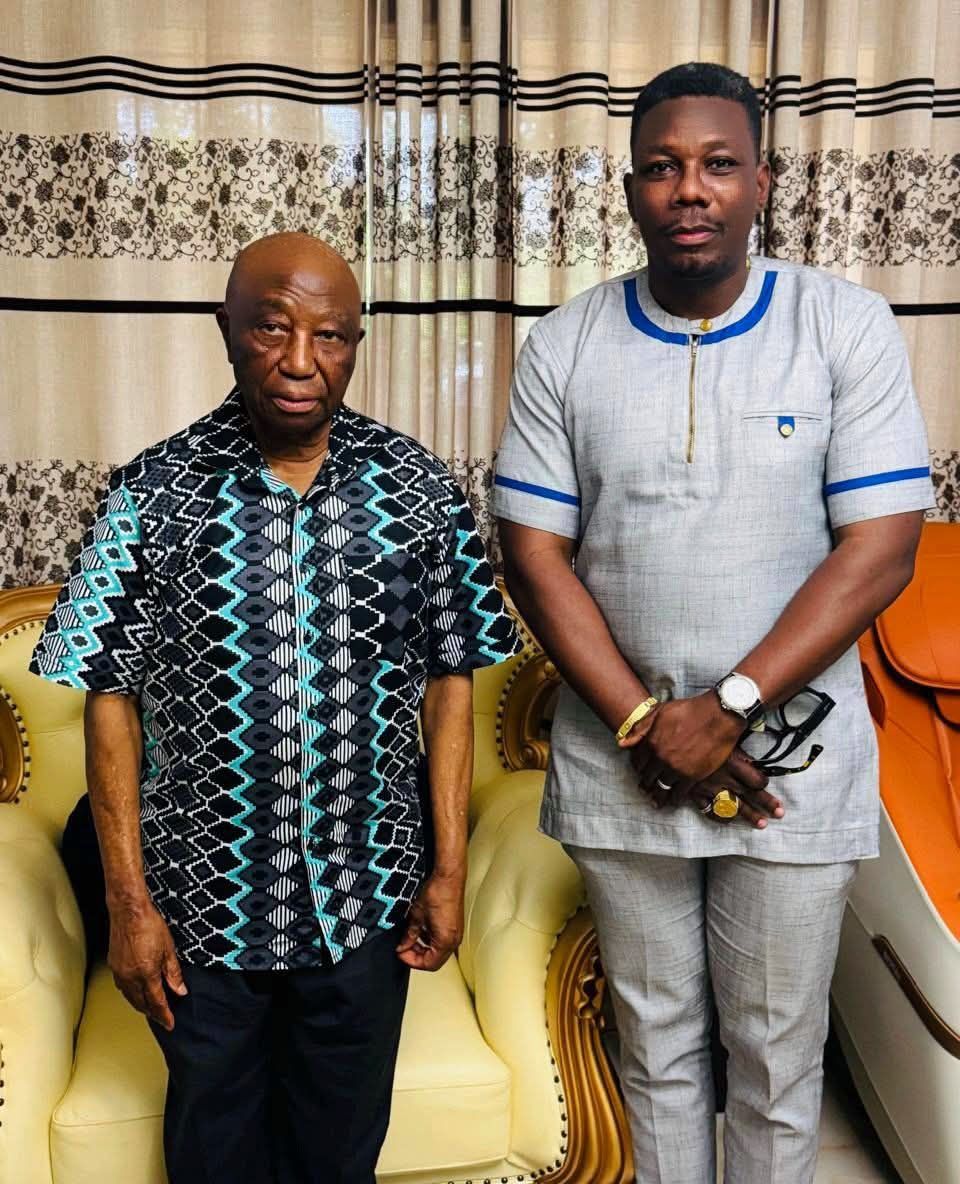
Cllr. Gbala’s remarks came just days after President Joseph Nyuma Boakai, Sr. directed Vice President Koung, along with ministers and heads of relevant government agencies responsible for concessions, to take immediate action on the Putu mining project. The President stressed that the prolonged delay is no longer acceptable, describing the timely conclusion of the Putu Mining Project as an urgent national priority. The Putu iron ore deposit, located in Grand Gendeh County, Southeastern Liberia, has long been viewed as a potential economic engine for Grand Gedeh County and the surrounding region. He noted that the project represents far more than a concession agreement; he explained that it represents jobs, economic revival, and long-deferred development.
“Putu is dear to the hearts of the people of Grand Gedeh and the southeast,” he emphasized. “People are looking for opportunities. If there is any chance for that project to become operational again, every official involved should ensure that the process moves forward without delay.” Cllr. Gbala believes the president’s decision reflects a broader awareness under the administration of President Boakai's pressing development needs. “I think the president acted well,” he said. “He understands that there is an urgent need for development in the country, and he is responding to that reality.” Cllr. Gbala further weighed in on a broader national conversation: Liberian participation in major investments.
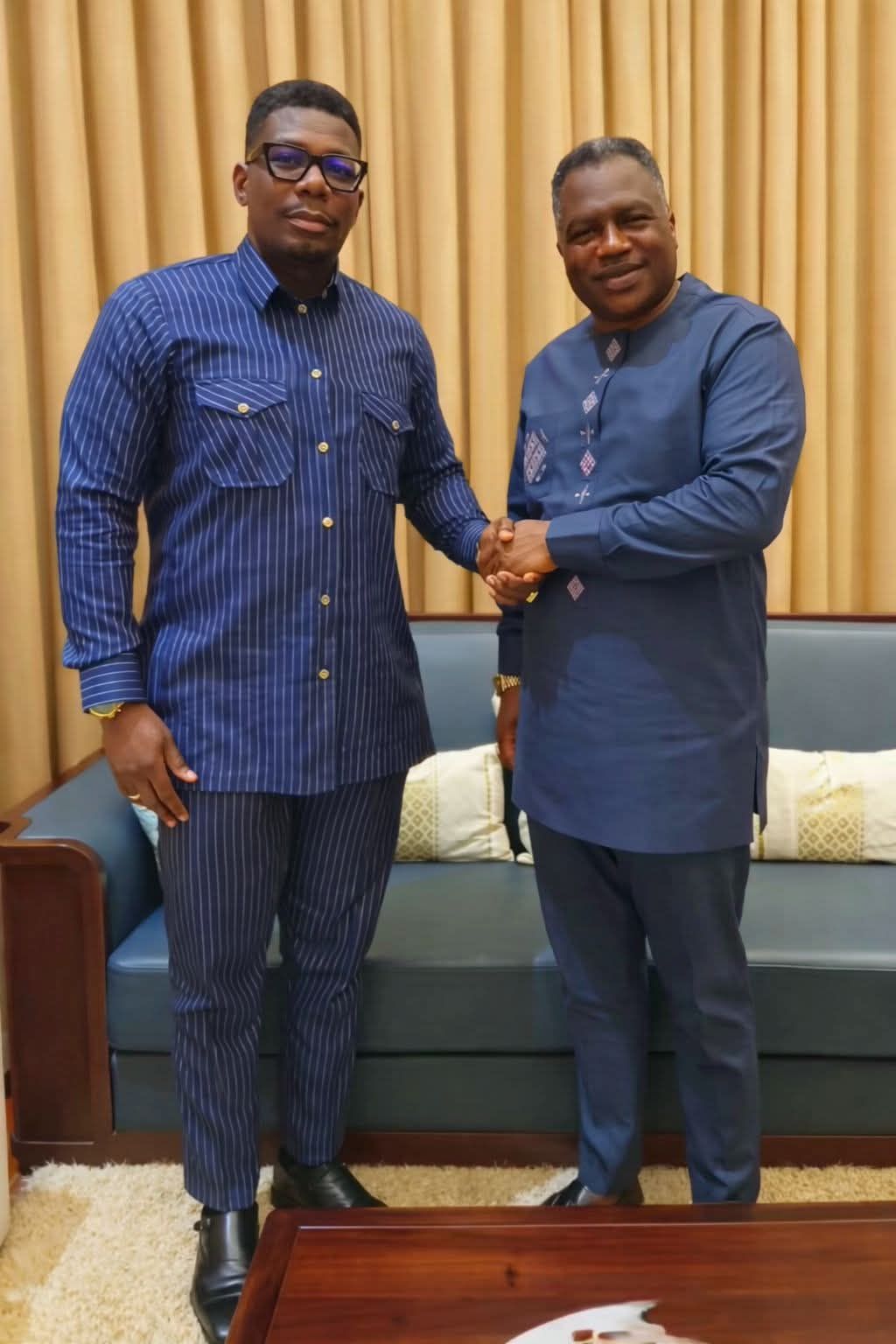
He reiterated his long-standing support for stronger local economic participation but cautioned against what he described as an unstructured or symbolic approach to “Liberianization.” In his view, Liberia should adopt a comprehensive local content framework that applies across investment sectors rather than relying on concession-by-concession negotiations. “There should be a standalone law governing local content across sectors,” Gbala argued. “That way, Liberian participation in investments is not treated as an ad hoc decision every time a new concession agreement is negotiated.”
Gbala warned that local participation alone does not automatically translate into poverty reduction.
“Liberian participation does not necessarily mean that poverty will disappear,” he said. “There are corrupt and elitist Liberians who pursue opportunities simply to enrich themselves, without any concern for the broader population.” Gbala cautioned that if such actors dominate equity participation in major projects like Putu, he stressed that the benefits could bypass ordinary citizens entirely. “The objective must be participation that truly supports economic development,” he stressed. Cllr. Gbala suggested a pragmatic approach, one that balances foreign investment with measured Liberian involvement. He added that if an international partner with sufficient capital and technical expertise is prepared to move quickly, he said, the country should prioritize getting the project operational.
“If there is a foreign partner capable of mobilizing resources immediately, so that before the end of the year we see boots on the ground in Grand Gedeh and operations begin, then Liberia should consider allowing that process to move forward,” Cllr. Gbala said.
Under such an arrangement, he added, Liberian participation could still be secured at a modest level while ensuring the project does not remain stalled.
Author: Victor Quaye