Senator Smith Alarms Government’s Downplay of Liberia–UNDP WASH Project… Wants Bigger Budgetary Allotment
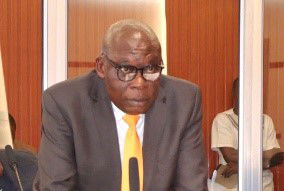
River Cess County Senator Wellington Geevon Smith has raised serious concern over what he describes as the Liberian government’s minimal financial support to the Liberia–UNDP Water, Sanitation and Hygiene (WASH) project, a flagship national initiative intended to improve rural water access and community development. The senator’s alarm comes after a recent legislative oversight visit to several counties, where he says conditions of water and sanitation infrastructure remain dire and pose grave risks to public health, education, and rural economic livelihoods.
In a communication to the Senate Plenary on Tuesday, Senator Smith recounted disturbing findings from oversight visits to River Cess, Bong, Nimba, and Lofa counties. According to him, many communities still lack safe drinking water, functional sanitation systems, and basic hygiene facilities challenges the UNDP-supported Accelerated Community Development Programme (ACDP) was specifically designed to address. “Recent visits to various counties have revealed alarming conditions, with many rural communities lacking access to safe drinking water, proper sanitation facilities, and hygiene practices,” Senator Smith noted.
“This crisis affects the health, education, and economic well-being of our citizens, particularly in rural Liberia.” He stressed that despite the urgency of the situation, the government has fallen drastically short of its financial commitment to the WASH initiative. Under the ACDP partnership signed in 2022, the Government of Liberia was expected to contribute US$100 million. To date, Senator Smith revealed, only US$3 million has been provided far below the agreed funding threshold. According to the senator, even the limited financial support has shown promising results.
During their visit, he and other members of the Legislative WASH Committee inspected newly constructed and rehabilitated water systems, including wells, piped water networks, and solar-powered facilities in River Cess and other counties. “We were convinced that if given the proposed support, this programme can address the issue of water in the rural parts of our country,” he said. “In many areas, our people depend on creeks that are now polluted by increasing mining activities. The UNDP partnership has already started making a difference. We saw communities like Jappatown where households are now receiving clean water from newly installed systems.” Senator Smith therefore appealed to his colleagues to push for robust national budgetary support toward the WASH program in the upcoming fiscal year.
He said expanding the project across all 15 counties could significantly reduce rural water shortages and improve the livelihoods of thousands of Liberians. Grand Kru County Senator Numene T.H. Bartekwa made a motion for the communication to be received and forwarded to the relevant committees, a motion that was endorsed without objection. The Plenary then assigned the matter to a joint committee comprising of three key committees including Foreign Affairs, Public Works, and Health to jointly review and make recommendations. The committees will determine how best the Senate can intervene in ensuring the government honor its financial obligations and sustains the Liberia–UNDP WASH partnership.
Senators emphasized that the committees’ work must also examine the budgetary implications, community impact, and timeline for nationwide expansion. As rural water challenges continue to worsen amid rising mining activity and environmental degradation, Senator Smith maintained that Liberia cannot afford to downplay the WASH program, calling it one of the most effective interventions currently available to uplift rural communities. “The lives of our people depend on this,” he reiterated. “With adequate government support, the Liberia–UNDP partnership can help solve water scarcity issues across the country.”
Author: Zac T. Sherman